Why HDPE is the Future of Sustainable Water Solutions
Introduction
In an era where sustainability is crucial, High-Density Polyethylene (HDPE) stands out as a key player in developing eco-friendly water solutions. With the ongoing challenges of water scarcity and the increasing demand for sustainable practices, HDPE not only enhances performance but also aligns with environmentally responsible goals. This post explores the various ways HDPE contributes to sustainable water solutions in South Africa.
Sustainability Benefits of HDPE
- Recyclability: HDPE is 100% recyclable, significantly reducing waste and environmental impact. When the material reaches the end of its life, it can be reprocessed into new products, promoting a circular economy. This aspect is particularly important in South Africa, where waste management is a growing concern.
- Reduced Carbon Footprint: The lightweight nature of HDPE reduces energy consumption during transportation and installation, leading to lower greenhouse gas emissions. Furthermore, the durability of HDPE means fewer replacements over time, further conserving resources.
- Longevity: With a lifespan of over 50 years, HDPE requires less frequent replacements compared to traditional materials, conserving resources and reducing environmental strain. This longevity not only benefits the environment but also provides significant cost savings for municipalities and businesses.
Applications Promoting Sustainability
- Water Distribution Systems: HDPE’s resistance to corrosion and scaling ensures cleaner water with less maintenance, leading to better resource management. As communities seek to improve their water infrastructure, HDPE offers a reliable solution that meets both performance and sustainability standards.
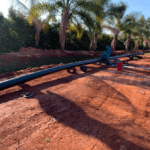
- Agricultural Irrigation: Using HDPE for irrigation systems allows for efficient water usage, reducing waste and promoting sustainable farming practices. Farmers can maximize their crop yields while minimizing water consumption, directly addressing the challenges posed by South Africa’s variable climate.
Conclusion
By integrating HDPE into water solutions, South Africa can take significant strides toward sustainability. Its environmental benefits, long-term durability, and cost-effectiveness make it a critical component of future projects. As the country navigates its water management challenges, adopting HDPE technology will be essential for building a sustainable and resilient water infrastructure.