The Versatility of HDPE: A Game Changer in Water Infrastructure
Introduction
High-Density Polyethylene (HDPE) has emerged as a revolutionary material in various sectors, particularly in water infrastructure. As South Africa faces increasing challenges related to water scarcity and infrastructure degradation, understanding the versatility of HDPE can lead to innovative solutions that address both efficiency and sustainability.
Why HDPE?
HDPE is a thermoplastic polymer known for its remarkable strength-to-density ratio. This unique combination of properties makes it ideal for applications ranging from pipelines to fittings. One of the standout features of HDPE is its excellent durability and resistance to corrosion. Unlike traditional materials like steel and concrete, HDPE is not susceptible to rust or chemical degradation, ensuring a longer lifespan for water infrastructure. Its lightweight nature simplifies installation and reduces transportation costs, making it a practical choice for large-scale projects.
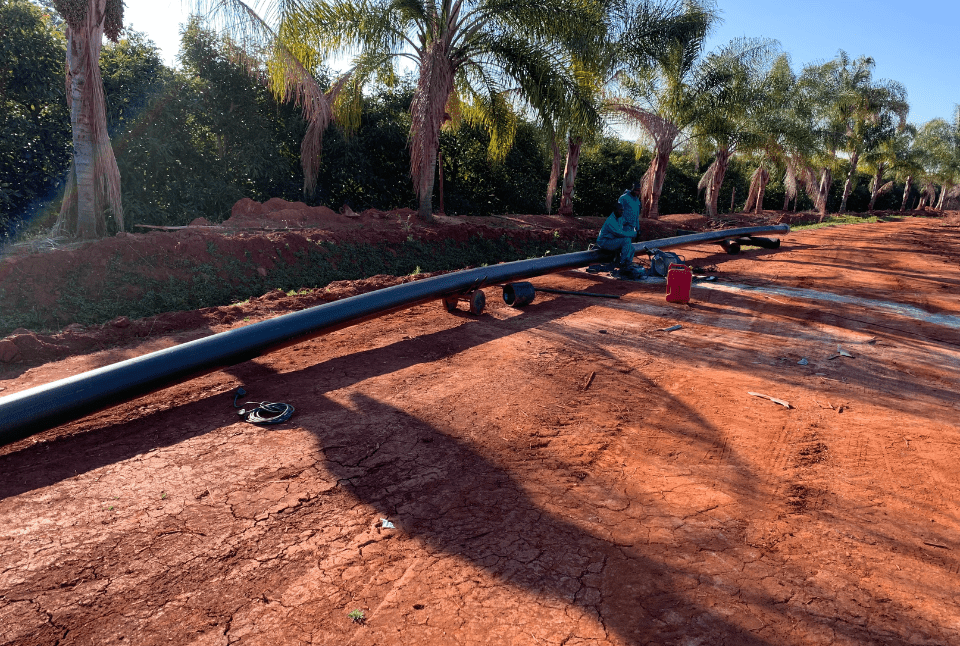
Moreover, HDPE’s flexibility allows it to withstand ground movements and pressure changes, making it suitable for various geographical conditions found in South Africa. This adaptability ensures that HDPE pipes can be laid in a variety of terrains, from urban areas to rural landscapes, while maintaining optimal performance.
Applications in Water Infrastructure
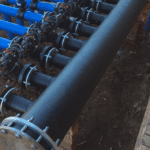
- Pipelines: HDPE pipes are used extensively for water distribution due to their flexibility, strength, and resistance to environmental stress. They can be manufactured in various diameters to meet specific project requirements, ensuring efficient water flow.
- Fittings: Custom HDPE fittings allow for efficient connections and transitions within water systems. These fittings are designed to minimize friction loss, thereby enhancing overall system efficiency.
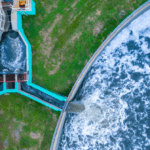
- Water Treatment: HDPE is also used in various water treatment applications, ensuring that the water supplied is clean and safe for consumption. Its non-toxic nature makes it an excellent choice for potable water systems.
Conclusion
As South Africa grapples with water management challenges, embracing HDPE technology in water infrastructure projects offers a pathway toward a more sustainable and efficient future. With its versatility, performance, and environmental benefits, HDPE is truly a game changer in the industry. By investing in HDPE solutions, municipalities and private enterprises can contribute to a robust water infrastructure that supports communities for generations to come.